
Mug Teppe Fortress (Istaravshan)
The Strategic Bastion of Ancient Cyropolis: A 2,500-Year-Old Citadel in the “Museum City”.
- ✓ Stand on the site of Ancient Cyropolis, the northeastern limit of the Achaemenid Empire.
- ✓ Enter through the iconic Blue-Domed Gate, a reconstruction honoring the city’s 2,500th anniversary.
- ✓ Learn about the 2025 discovery of a 1,500-year-old sophisticated water pipeline system.
- ✓ Explore Istaravshan, a “Museum City” known for its artisans and medieval Islamic architecture.
Immersive Hub: Virtual Tour & Media
Virtually explore the fortress surroundings and learn more about its history.
360° Map Views
Videos & Guides

Tour Plan
Depart from Dushanbe
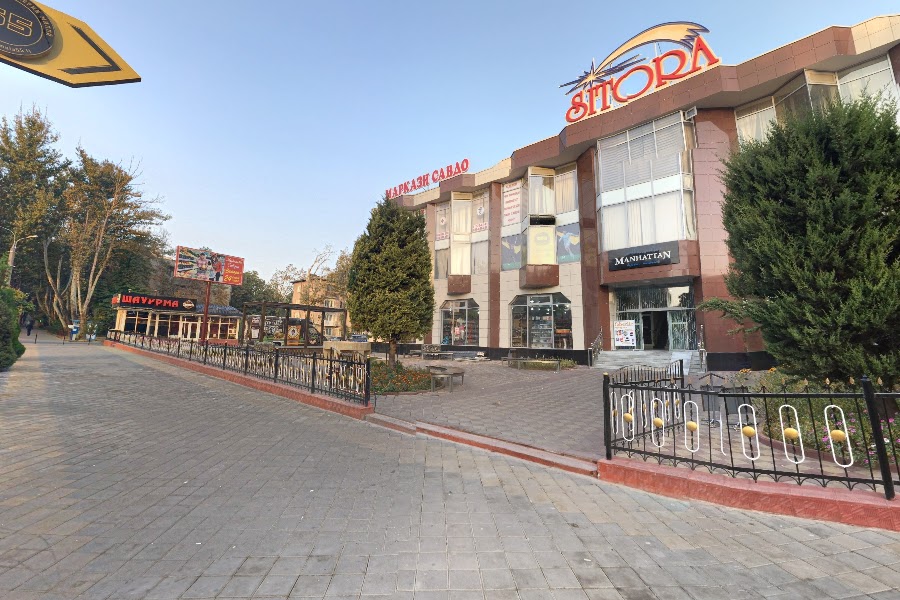
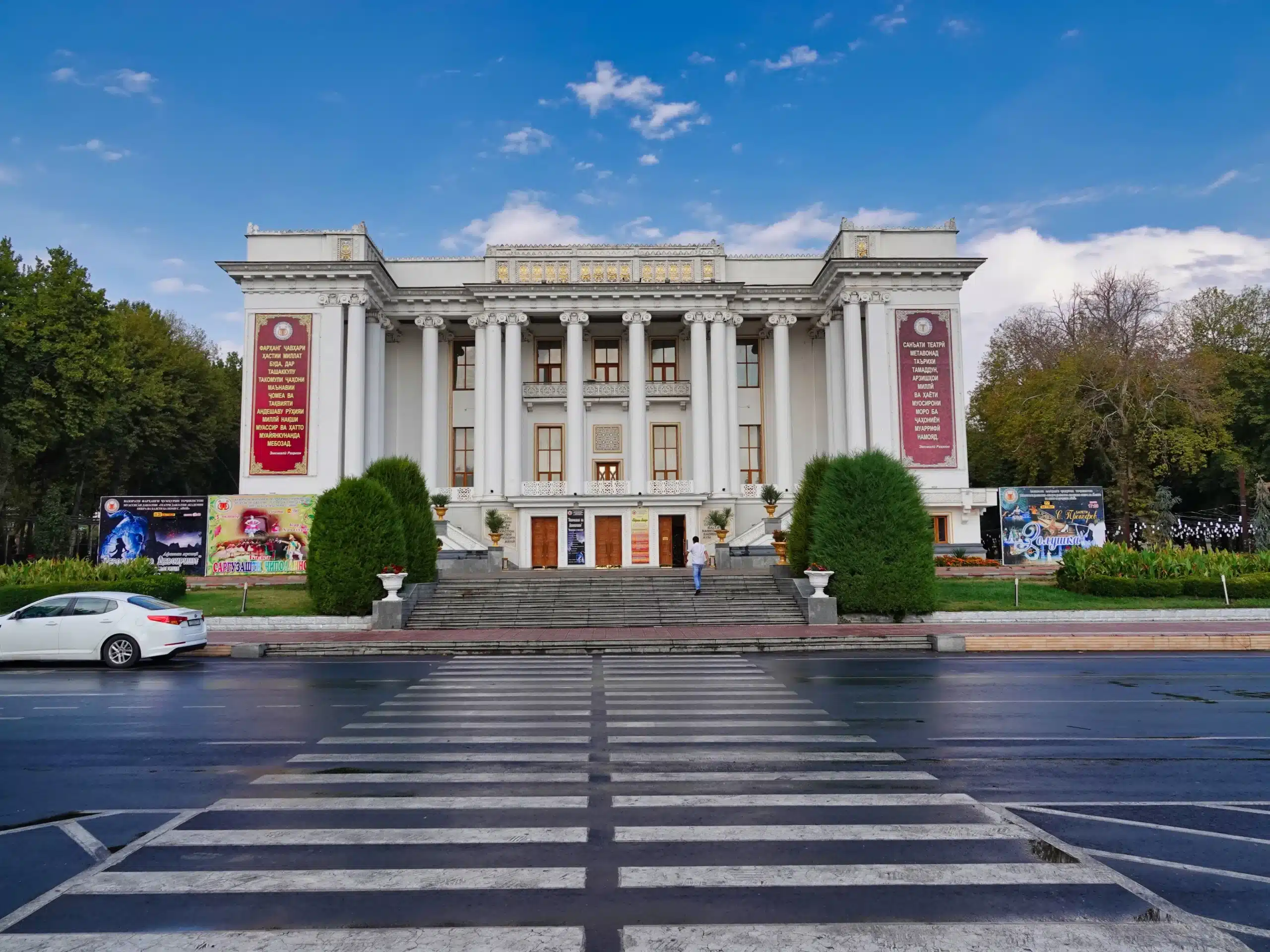
Meeting Point: Opera Ballet building / Chocolate Cafe. Depart via the scenic Anzob Pass route towards Northern Tajikistan.
Arrival in Istaravshan
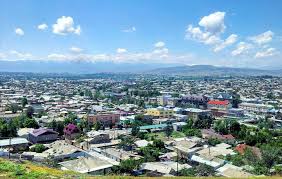
Arrive in the ancient city known as a “Museum City.” We proceed directly to the dominant hilltop fortress of Mug Teppe.
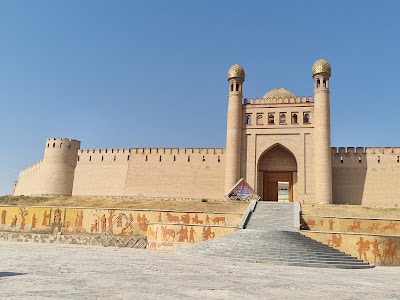
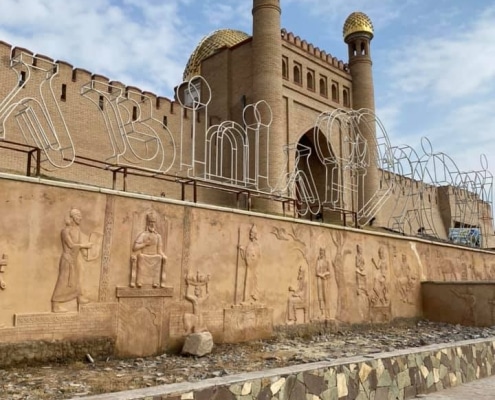
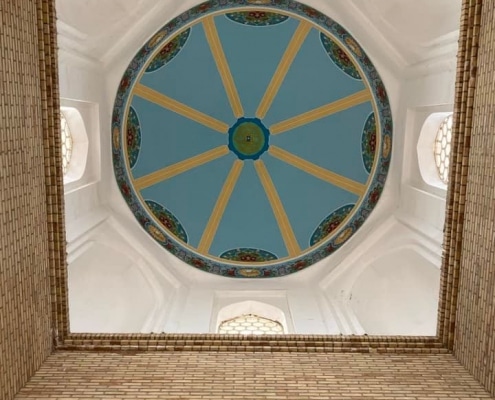
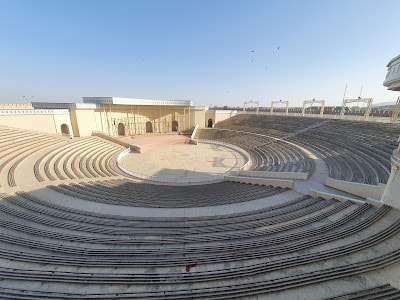
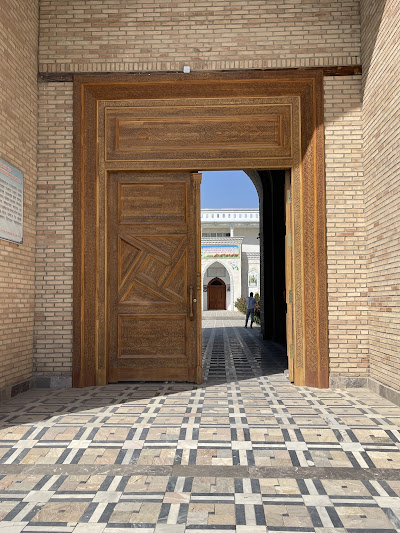
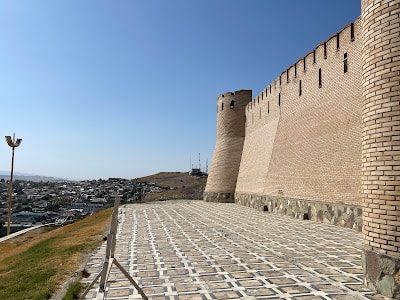
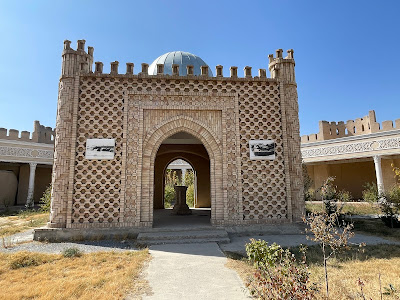
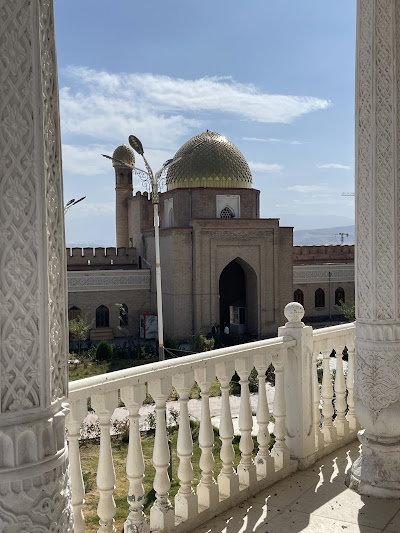
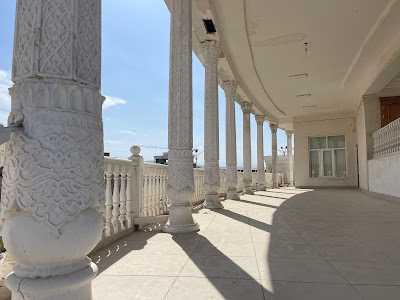
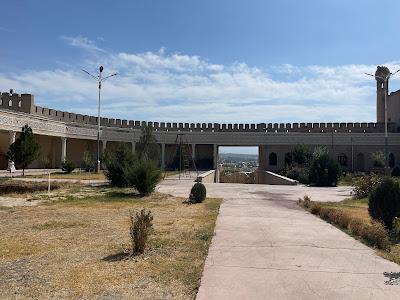
Mug Teppe Fortress
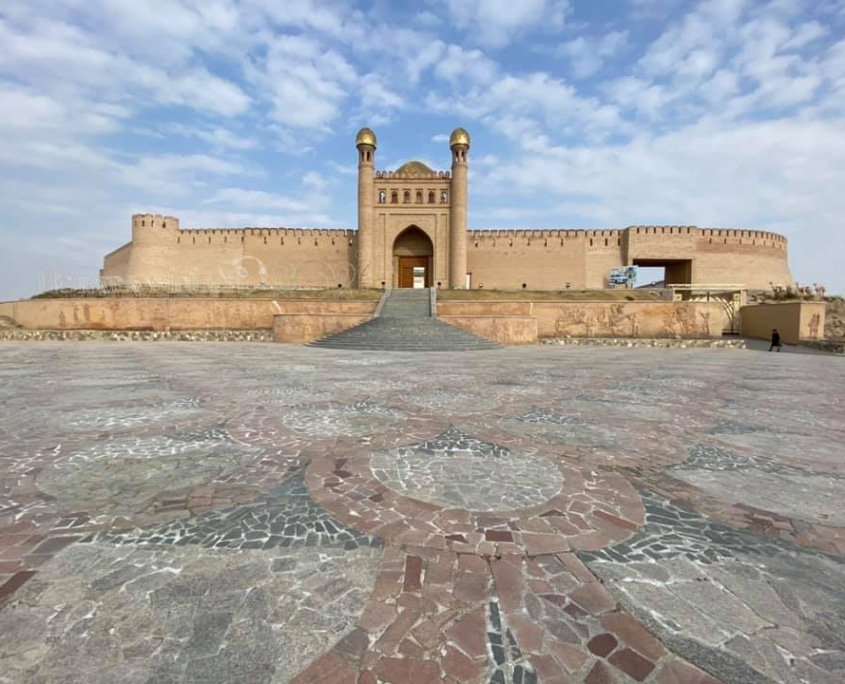
Explore the 2,500-year-old citadel. See the blue-domed gates, the site of Alexander the Great’s injury, and the remains of the ancient water systems discovered in 2025.

Return to Dushanbe
After exploring the craft bazaar and Kok Gumbaz, return to the Opera Ballet building in Dushanbe.
Inclusions & Exclusions
- Transportation via Anzob Pass.
- Professional Historian Guide.
- Entrance fees to Mug Teppe.
- Lunch at a traditional teahouse.
- Accommodation.
- Souvenirs (Crafts).
- Tips for the driver/guide.
- Travel insurance.
Traveller Stories
“The view from the top of Mug Teppe is absolutely stunning. You can see the whole of Istaravshan. The history regarding Alexander the Great is fascinating.”
“A fantastic historical site. The walk up the hill is a bit of a workout but worth it. The blue gate is very photogenic.”
“I really enjoyed the Islamic architecture influences in Istaravshan. The fortress stands as a testament to the region’s resilience.”
“Visiting the Mug Teppe Fortress was the highlight of our trip. The guide was knowledgeable about the recent archaeological findings. Highly recommend.”