Maschidi Khazrati Shokh
Discover the legend of the Saint-King and the sacred waters of Istaravshan.
-
Drink from the Chashma (Spring), believed to have burst forth when Caliph Ali’s staff struck the ground.
-
Visit the Mausoleum of Hazrati Shoh, resting place of the brother of Kusam ibn Abbas (the Living King of Samarkand).
-
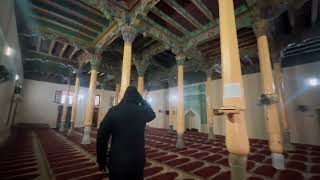
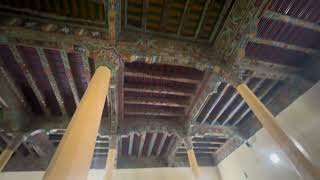
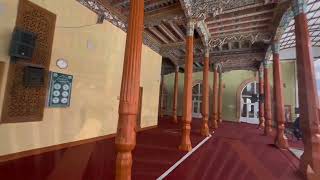
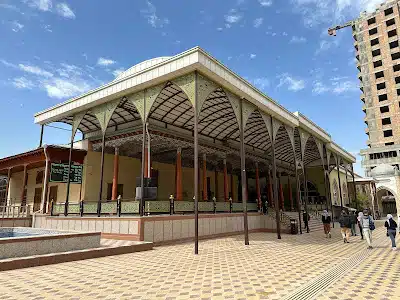
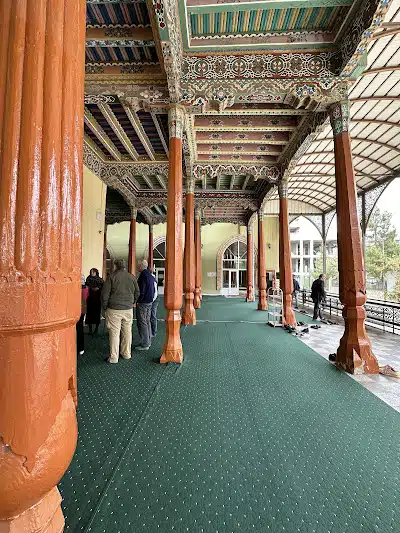
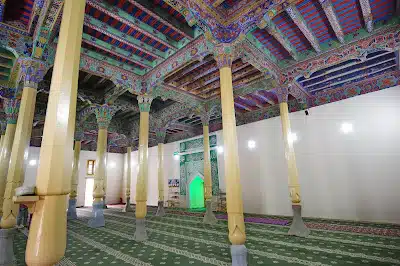
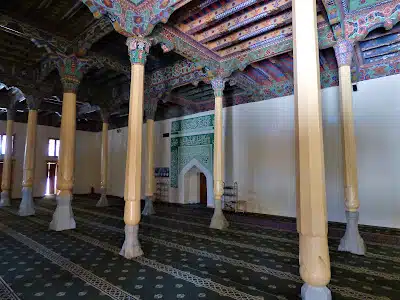
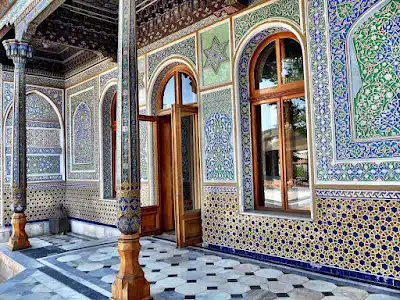
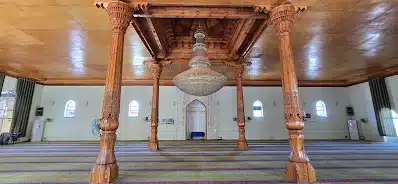
Admire the L-shaped Aivan of the mosque, supported by 28 wooden columns with muqarnas capitals.
-
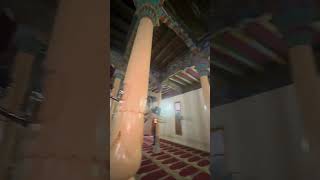
Look up at the vibrant polychrome ceiling, painted in green, blue, and red to represent the gardens of Paradise.
Immersive Hub: Video Tours
Experience the atmosphere of the Maschidi Khazrati Shokh complex and surrounding region.
Travel Vlogs & Documentaries
Tour Plan
 Hold
Hold
 Hold
Hold
Depart from Dushanbe
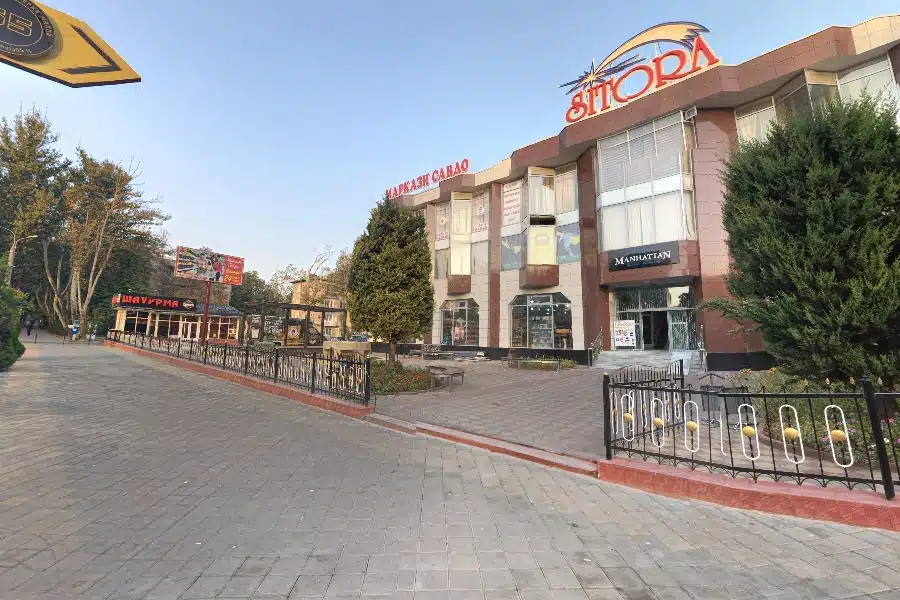
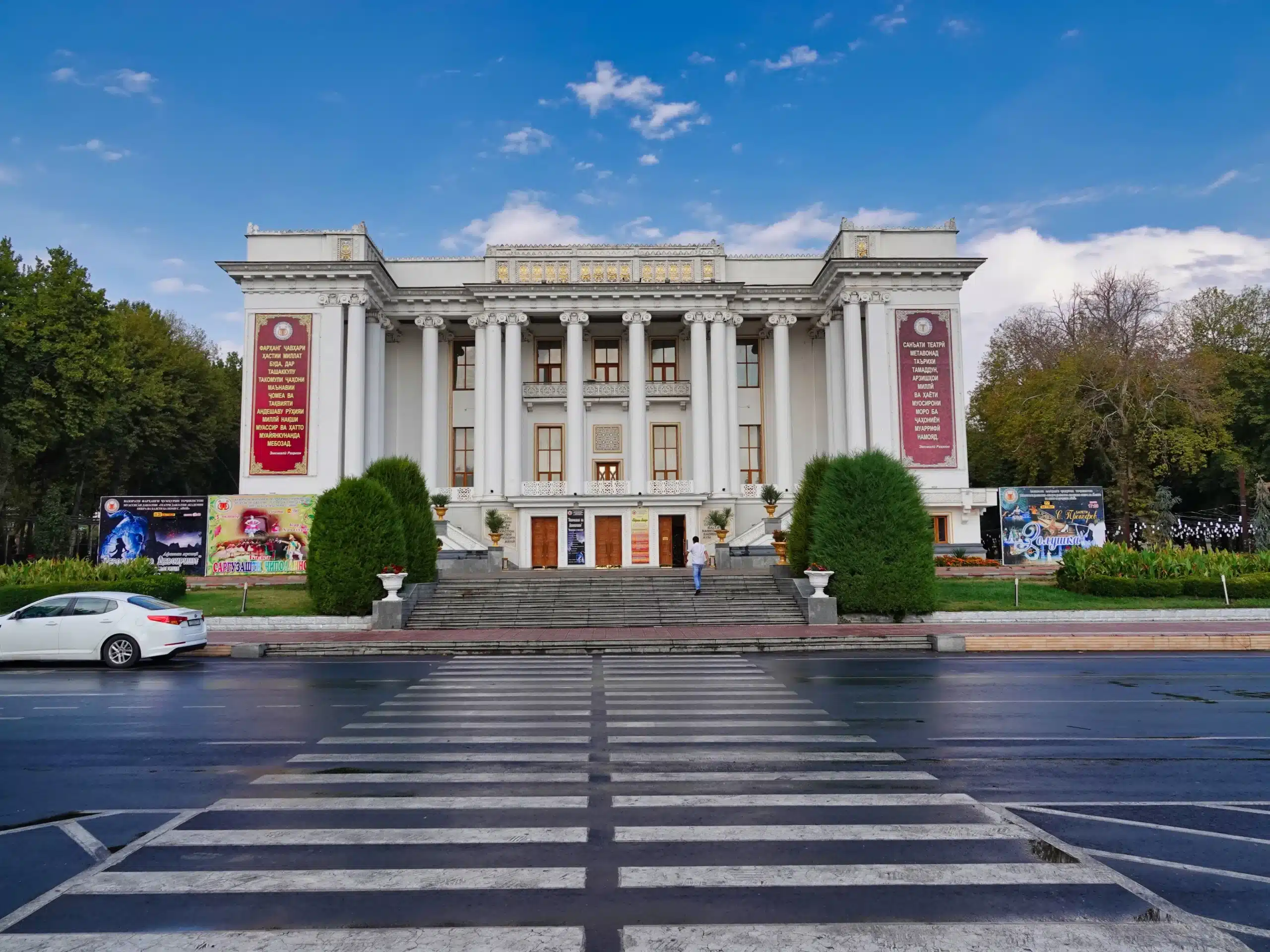
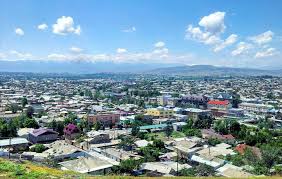
Meeting Point: Opera Ballet building / Chocolate Cafe. We depart Dushanbe for the historic city of Istaravshan.
 Hold
Hold
Arrival in Istaravshan
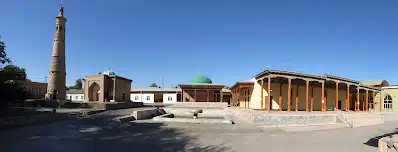
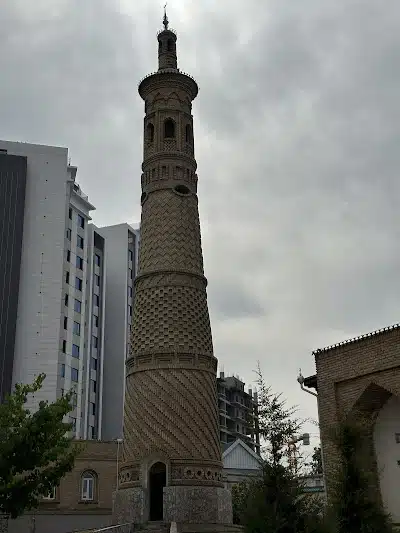
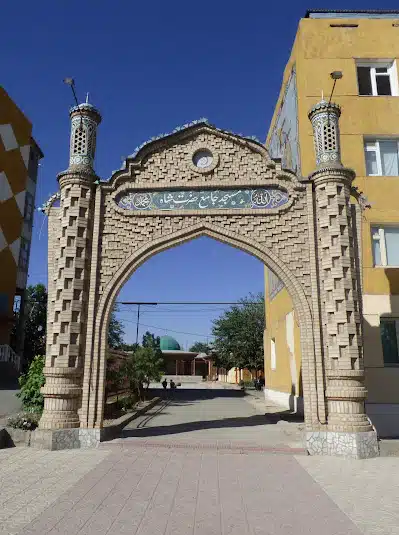
Arrive in Istaravshan and proceed to the Old City to visit the Maschidi Khazrati Shokh complex.
 Hold
Hold
 Hold
Hold
 Hold
Hold
 Hold
Hold
Exterior of Maschidi Khazrati Shokh
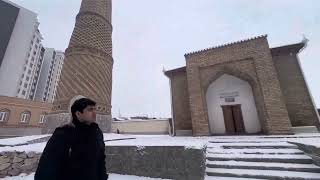
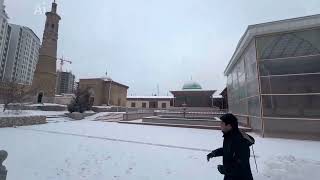
Explore the outer complex, including the sacred spring pool and the 19th-century L-shaped aivan with its carved wooden columns.
 Hold
Hold
 Hold
Hold
 Hold
Hold
 Hold
Hold
 Hold
Hold
 Hold
Hold
Interior of Maschidi Khazrati Shokh
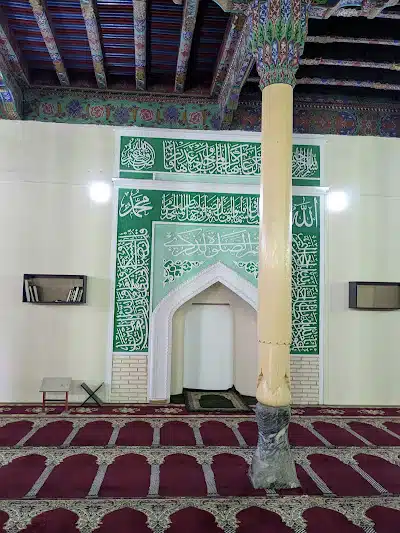
Step inside to see the magnificent polychrome ceiling paintings and the serene atmosphere of the prayer hall and mausoleum.
 Hold
Hold
Return to Dushanbe
Conclude the tour back at the Opera Ballet building in Dushanbe.
Inclusions & Exclusions
- Transportation (4WD recommended).
- Expert Cultural Guide.
- Entrance to Maschidi Khazrati Shokh.
- Tea at a traditional Chaykhana.
- Accommodation (if multi-day).
- Souvenirs (Sacred Water bottles).
- Tips for the driver/guide.
- Travel insurance.
Traveller Stories
“The painted ceiling of the Maschidi Khazrati Shokh is mesmerizing. The colors are so vibrant! The story of the spring being created by Caliph Ali’s staff is beautiful.”
“I felt a deep sense of peace at the Maschidi Khazrati Shokh. The wooden columns remind me of temple architecture in Asia, but with distinct Islamic patterns.”
“Drinking the water from the Chashma was a refreshing experience. The Maschidi Khazrati Shokh is a perfect blend of nature and spirituality.”
“The connection between Istaravshan and Samarkand through the ‘Living King’ legend is fascinating. Maschidi Khazrati Shokh is a must-visit for understanding the region’s history.”